As Seen On Instagram
AI gadgets popularized on Instagram, YouTube, and Kickstarter: folding keyboards, wearable mics, local AI boxes, and the rest of the nerd-bait catalog.
The inventions that stop the scroll — then earn a place on a real desk
ProtoArc XKM01: The Fold-in-Half Keyboard That Went Full-Size
A 105-key board that folds like a taco, ships with a mouse, and is the reason “foldable keyboard” became a search term again.
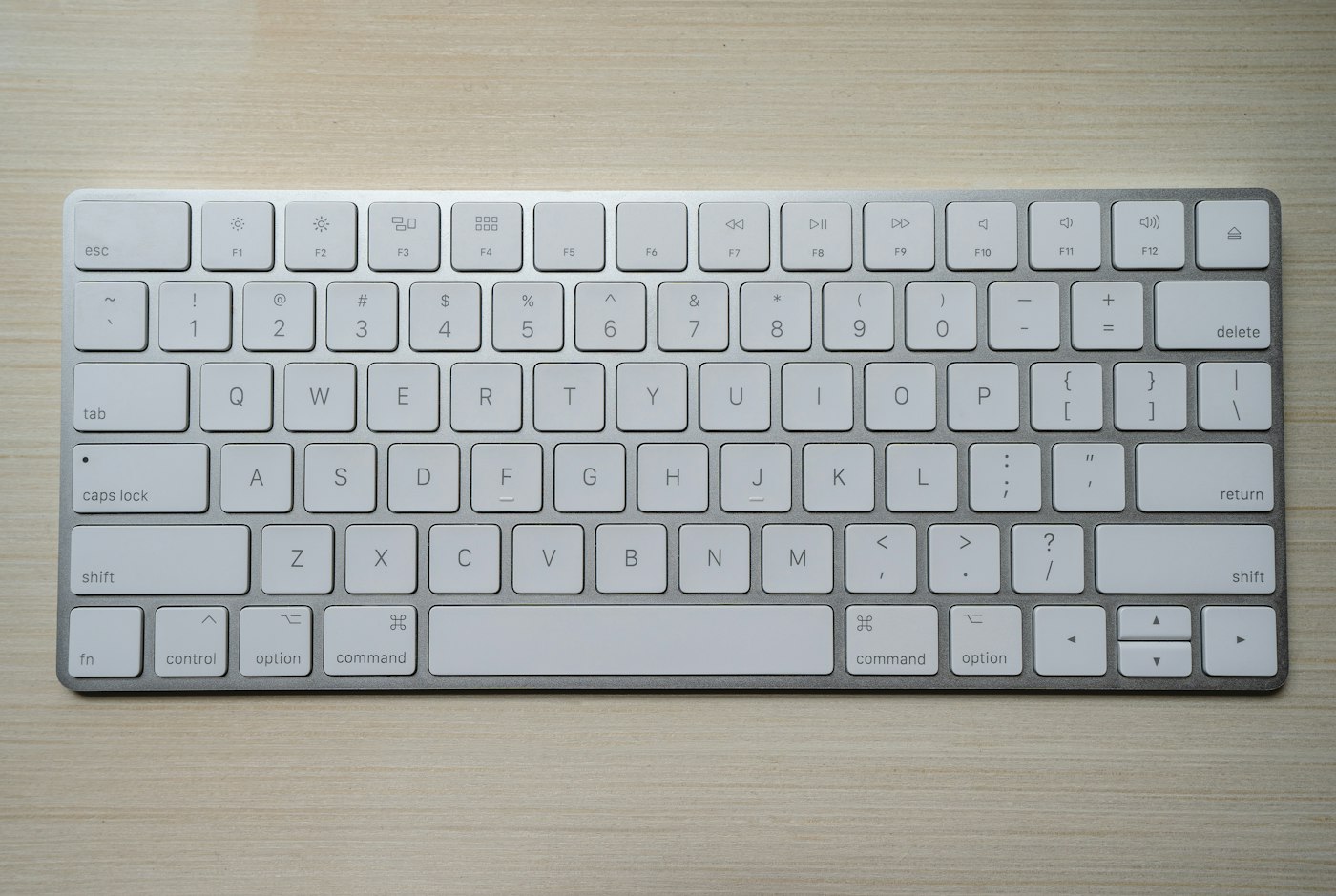
Keychron B11 Pro: The Foldable That Types Like a Real Board
Keychron’s foldable is for people who already own three Keychrons and still want one that disappears into a sling bag.

Targus AKF003: The 141-Gram Split That Folds Like Origami
The lightest serious foldable in the 2026 travel-keyboard pile — and the only one that is actually split.
Plaud NotePin S: The AI Command Mic You Wear on Purpose
The NotePin S is the intentional AI microphone: clip it, record the meeting, get the summary. Not an always-on life logger.
Limitless Pendant: The Necklace That Wants to Be Your Memory
A $200-class AI pendant that records locally and tries to replace the part of your brain that forgets what was promised in the hallway.
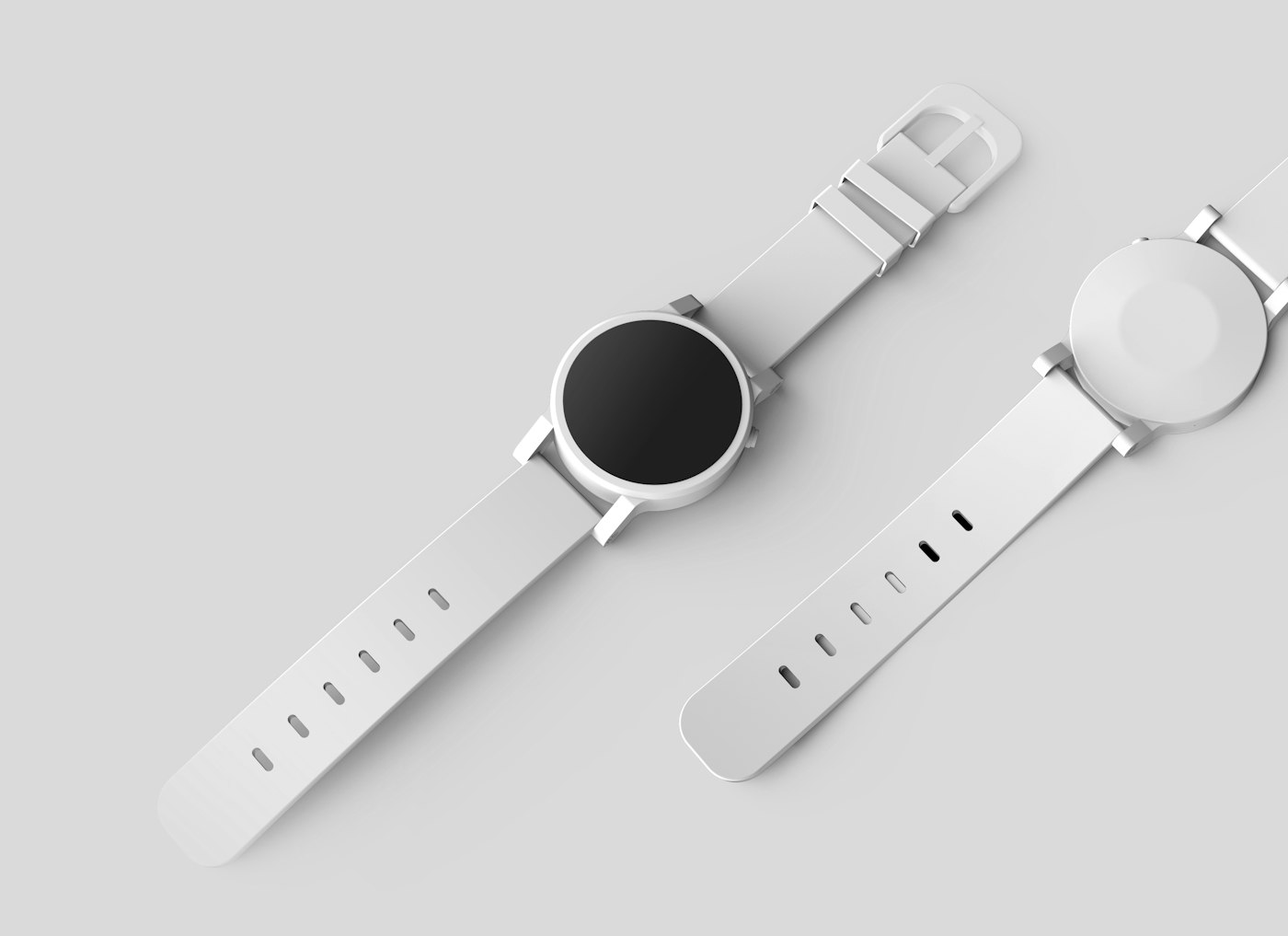
Bee Pioneer: The $50 Bracelet That Records Your Mouth
The Bee Pioneer is the impulse-buy AI mic — the one WSJ wore for months, and the one forum threads will not stop arguing about.
NVIDIA DGX Spark: The Home AI Server That Fits Under a Monitor
NVIDIA’s personal DGX is the first home-sized box that treats 70B-class models as a Tuesday, not a science project.

Framework Desktop: The Repairable Strix Halo AI Box
The Framework Desktop is the home AI server for people who want Strix Halo performance without a sealed appliance.
Mac Studio as a Home LLM Server: Still the Quiet Monster
Before DGX Spark had a name, the high-memory Mac Studio was the living-room-legal way to run large local models.

GMKtec EVO-X2: The Mini PC That Thinks It Is an AI Lab
A compact Ryzen AI Max box for people who want local models without Framework money or DGX ceremony.
Open WebUI + Ollama: The AI Platform You Actually Live In
The platform layer of a home AI server is not the GPU. It is the tab you open instead of a cloud chatbot.
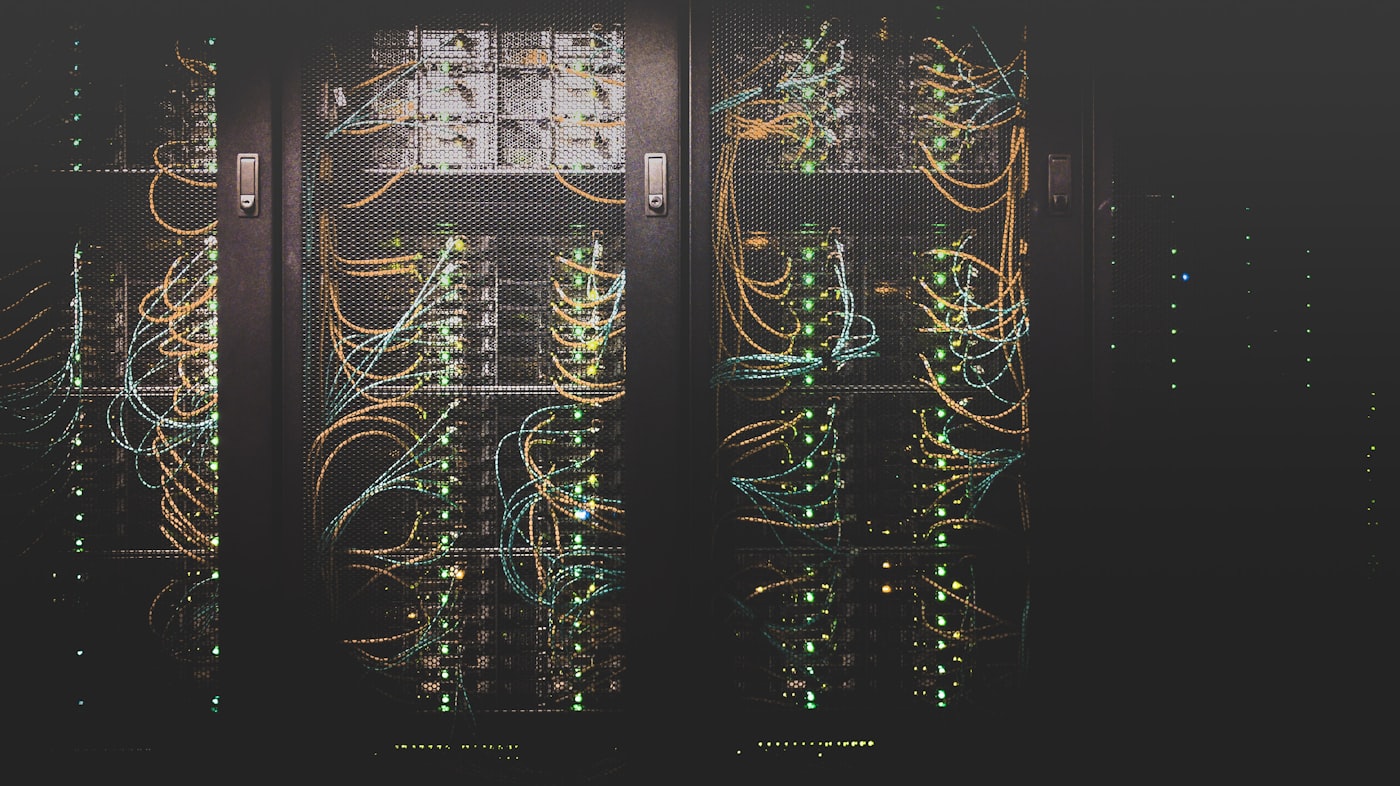
Home Assistant Yellow: The Local Brain That Grew an NPU
Yellow is still the official Home Assistant hardware. CM5 and Hailo support turned it into a local-AI satellite, not just a Zigbee brick.
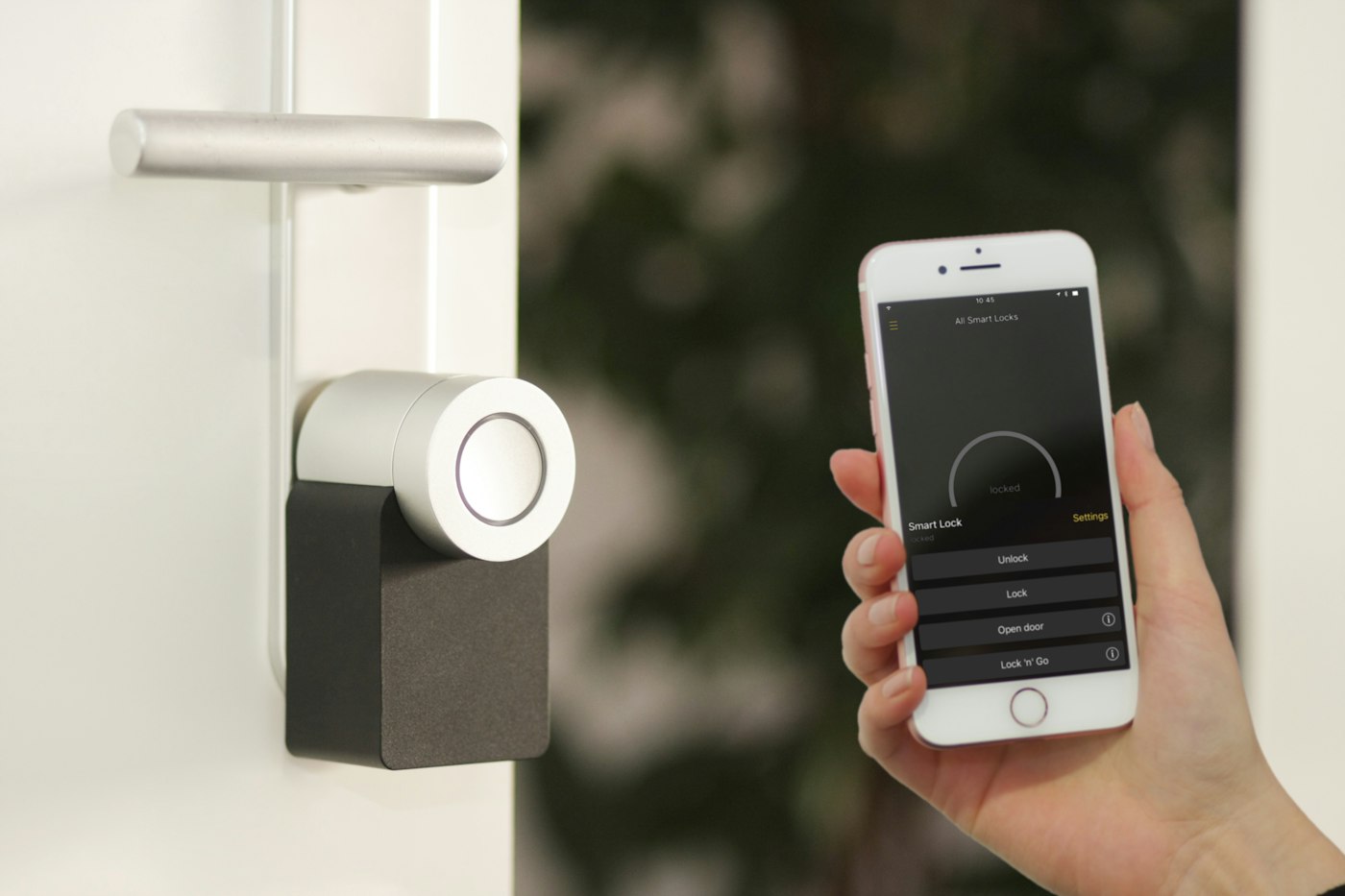
Raspberry Pi 5 + AI HAT+: The $Hobby Local Model
The cheapest way to say you run local AI that is not a lie — vision, small LLMs, and a very warm case.

Brilliant Labs Frame: 40-Gram AI Glasses That Are Actually Glasses
Frame is the lightweight, open-source AI glasses experiment that made even Linus put a computer on his face.

Omi: The Open Wearable That Wants to Be Your Always-On Agent
Omi sits with Bee and Limitless in the “hear my life” pile, with a more hacker-native stack.